

Whether you're an athlete, fitness enthusiast, golfer, pickleball player, or someone who spends long hours at a desk, you've probably experienced sore, tight muscles. After a tough workout or physically demanding day, massage can feel good, but can it actually help with muscle soreness and recovery?
Research suggests that massage may help reduce muscle soreness, ease tension, improve flexibility, and help you feel better during recovery. Here's what the science says and what it means for your routine.
Understanding Delayed-Onset Muscle Soreness (DOMS)
One of the most common types of post-exercise discomfort is delayed-onset muscle soreness, or DOMS. It typically develops 12 to 24 hours after unfamiliar or intense exercise and can be most noticeable between 24 and 72 hours later.
DOMS is particularly common after activities that involve eccentric muscle contractions, when a muscle lengthens while under tension. You might experience it after:
- Weightlifting
- Running downhill
- High-intensity interval training
- Sports involving jumping, sprinting, or rapid changes of direction
While some soreness after challenging activity is common, it can temporarily affect how comfortably you move, exercise, or go about your day.

Can Massage Help Reduce Muscle Soreness?
Research suggests that it can.
A review published in Sports Medicine examined the effects of massage on performance and recovery. While massage did not appear to directly improve measures such as strength or endurance, the research found benefits related to recovery, including reduced muscle soreness.
Another study published in the Journal of Athletic Training found that massage performed after intense exercise was associated with approximately 30% less muscle soreness and reduced swelling compared with untreated muscles.
A later systematic review and meta-analysis published in Frontiers in Physiology reached a similar conclusion. Across multiple randomized controlled trials, massage was associated with significantly reduced muscle soreness 24, 48, and 72 hours after strenuous exercise, with particularly notable effects at 48 and 72 hours.
The takeaway: Massage won't eliminate post-workout soreness altogether, but the evidence suggests it may help reduce how sore you feel during the days following strenuous exercise.
Does Massage Improve Athletic Performance?
Here's where the research becomes more nuanced.
Massage does not appear to directly improve athletic performance measures such as sprint speed, jumping ability, endurance, or strength.
However, a systematic review and meta-analysis published in BMJ Open Sport & Exercise Medicine found that massage was associated with improvements in flexibility and reductions in delayed-onset muscle soreness.
In other words, massage probably won't make you stronger or faster overnight. But feeling less sore and moving more comfortably may make it easier to return to your regular activities and training routine.

Why Might Massage Help?
Researchers are still studying exactly why massage can help with soreness and recovery. Potential effects include reducing muscle tension and stiffness, promoting relaxation, and supporting flexibility and range of motion.
The mechanisms behind massage are complex, and not every commonly repeated explanation has been conclusively proven. What's clearer from the research is the outcome: many people experience less soreness and improved perceived recovery following massage.
What About Neck, Shoulder, and Back Tension?
You don't have to be an athlete to experience tight or uncomfortable muscles. Hours spent sitting at a desk, driving, traveling, or performing repetitive movements can leave areas such as the neck, shoulders, and back feeling tense.
A systematic review published in the Journal of Physiotherapy found that massage therapy can provide short-term benefits for pain and function in people with several common musculoskeletal conditions compared with no treatment.
Massage shouldn't be considered a cure for an underlying injury or medical condition, but it can be one way to help manage everyday muscle tension, support mobility, and promote relaxation.

Bringing Massage Into Your Recovery Routine
The research suggests that massage can be a useful part of a recovery routine, particularly when the goal is to reduce soreness, ease muscle tension, improve flexibility, or simply feel better after physical activity.
Professional massage is one option, but regular appointments aren't always practical or accessible. Self-massage offers another way to apply targeted pressure to muscles that feel tight or sore, whether that's after a workout, following a long day at a desk, or as part of a regular mobility routine.
Whatever approach you choose, pay attention to how your body responds. Massage should feel productive, not excessively painful. Persistent, severe, or unexplained pain should be evaluated by a qualified healthcare professional.
Key Takeaways
So, can massage help with muscle soreness? Based on the available research, the answer appears to be yes, particularly when it comes to reducing delayed-onset muscle soreness and improving how you feel during recovery.
Research suggests massage may help:
- Reduce delayed-onset muscle soreness (DOMS)
- Ease muscle tension and stiffness
- Improve flexibility and range of motion
- Support relaxation and perceived recovery after exercise
Massage isn't a shortcut to better athletic performance, but it can be a useful tool for staying comfortable, mobile, and ready for what's next.
Make Self-Massage Easier With BodyLever
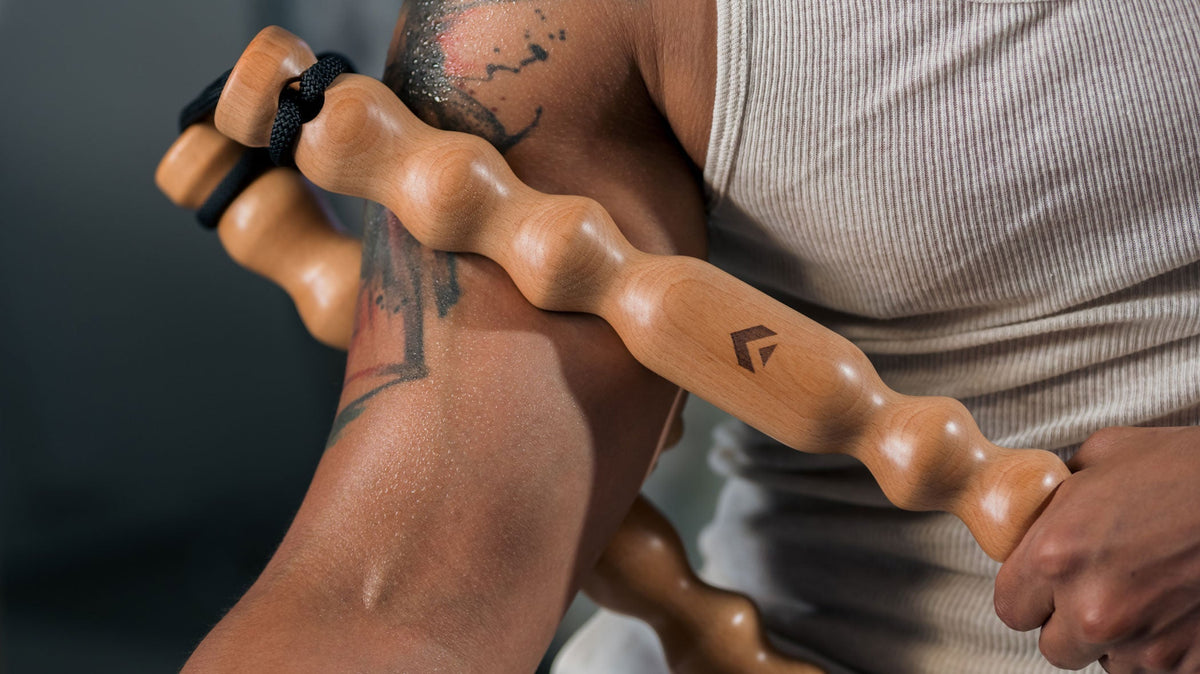
BodyLever was created to make targeted self-massage easier, especially in areas that can be difficult to reach on your own. Its ergonomic design combines reach, leverage, and targeted pressure, helping you work on areas such as your shoulders, upper back, hips, glutes, and legs without relying on another person.
Want to see it in action?
Watch NBA player Steven Adams use BodyLever as part of his post-game routine or see demonstrations on how to use it for each muscle group.
Ready to add self-massage to your own routine? |

|
References
- Sports Medicine – The Mechanisms of Massage and Effects on Performance, Muscle Recovery and Injury Prevention
- Journal of Athletic Training – Effects of Massage on Delayed-Onset Muscle Soreness
- Frontiers in Physiology – Massage Alleviates Delayed-Onset Muscle Soreness After Strenuous Exercise
- BMJ Open Sport & Exercise Medicine – Effect of Sports Massage on Performance and Recovery
- Journal of Physiotherapy – Massage Therapy Has Short-Term Benefits for People with Common Musculoskeletal Disorders Compared to No Treatment
Share: